People have often asked what is the hidden meaning behind yoga poses where fingers touch. These gestures, called mudras, act as energetic seals that channel cosmic energy, balance the body’s five elements, and alter the practitioner’s state of mind. By connecting specific fingers to the thumb, which represents fire and universal consciousness, practitioners create an “energetic circuit” that directs prana (life force) to specific parts of the body to enhance focus, health, or spiritual awareness.
The Symbolism of the Five Elements
Each finger corresponds to a different element, and touching them to the thumb creates a balance or amplification of that specific energy:
- Index Finger (Air/Individual Consciousness): Touching this to the thumb (Gyana Mudra) symbolizes the unity of the individual and the universal, sharpening memory and concentration.
- Middle Finger (Space/Connection): Connecting this to the thumb (Shuni Mudra) symbolizes patience, discipline, and stability while purifying emotions.
- Ring Finger (Earth): Pressing this against the thumb (Surya Mudra) is believed to increase metabolism, core body temperature, and physical health.
- Pinky Finger (Water): Touching this to the thumb (Buddhi Mudra) enhances intuitive communication and mental clarity.
- Ring and Pinky Fingers: Together touching the thumb (Prana Mudra) activates dormant energy and encourages the flow of vital life force.
The Deeper Purpose of the Gesture
Beyond physical balance, these hand positions serve as nonverbal communication with the self, designed to leave a “signature on your prana” that shifts the state of consciousness. They are not merely random poses but are used to:
- Center the Mind: Holding a specific mudra provides a focal point that keeps the meditator in a state of awareness, similar to monitoring the breath.
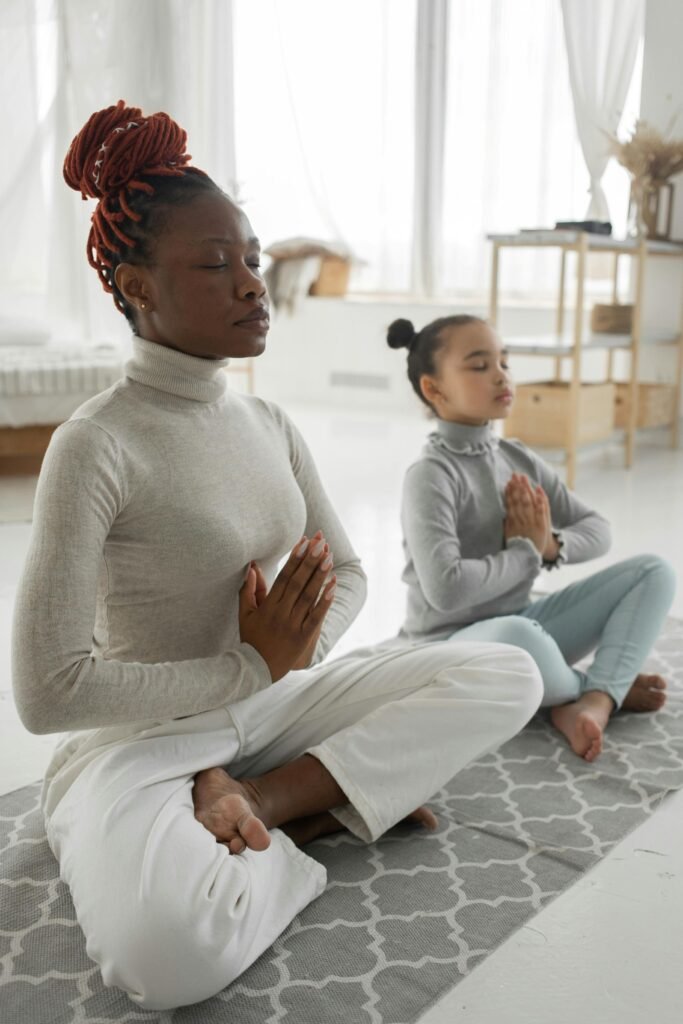
- Unite Duality: Gestures like Anjali Mudra (palms together at the heart) symbolize the union of opposing forces (left/right, masculine/feminine, yin/yang) and express respect, gratitude, and surrender.
- Ground the Spirit: Touching the thumb to the ring finger or using the Dhyana Mudra (hands resting one on the other) helps connect the practitioner to the earth and facilitates deep contemplation.
Important Considerations for Practice
- Correct Form Matters: Experts warn that combining mudras with random asanas can create an energetic “mishmash” where the pose and gesture are at odds; the hand position should align with the specific intention of the practice.
- Gentle Contact: The contact between fingers should be light to avoid tension, allowing the subtle energy flow to occur without physical strain.
- Duration: To feel the effects, these mudras are typically held for 2-3 minutes or longer while maintaining a slow, steady breath and a clear intention.
The Dhyana Mudra is widely regarded as the best mudra for enhancing meditation. It is specifically known as the “gesture of meditation” and is designed to promote deep concentration, inner stillness, and mental clarity.
How to Perform Dhyana Mudra
- Sit comfortably in a meditative posture like Sukhasana (Easy Pose) or Padmasana (Lotus Pose).
- Place both hands on your lap, with the right hand resting on top of the left.
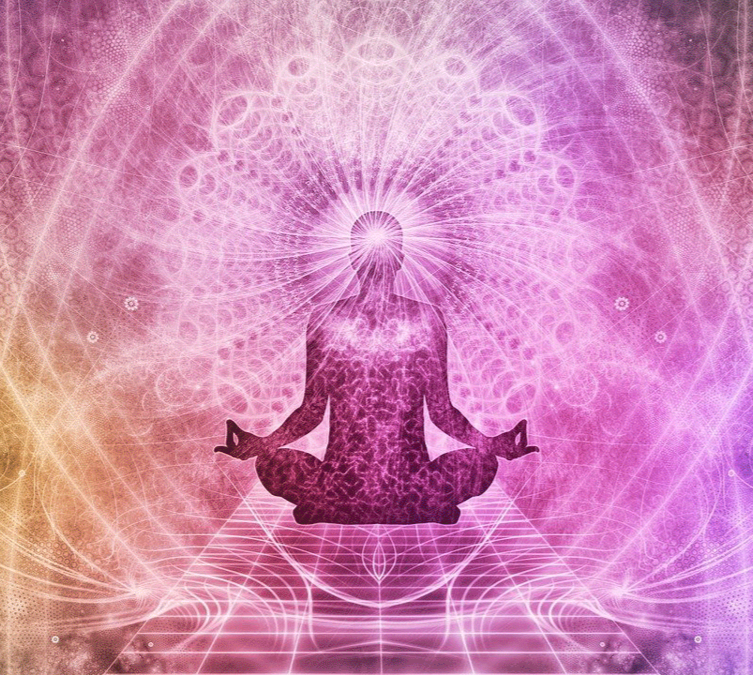
- Keep the palms facing upward and gently touch the tips of your thumbs together, forming an oval or triangle shape.
Benefits for Meditation
- Deepens Concentration: It acts as a physical anchor, helping to quiet the mind and reduce distracting thoughts.
- Promotes Inner Peace: The mudra fosters a sense of calm, tranquility, and emotional balance.
- Symbolizes Unity: The oval shape formed by the thumbs represents completeness and the unity of the individual self with the universal consciousness.
- Enhances Mind-Body Connection: It helps channel energy (prana) and is often associated with the Ajna (third eye) and Sahasrara (crown) chakras, aiding spiritual awareness.
For best results, hold the Dhyana Mudra for 5-15 minutes or longer during your meditation session while focusing on your breath.