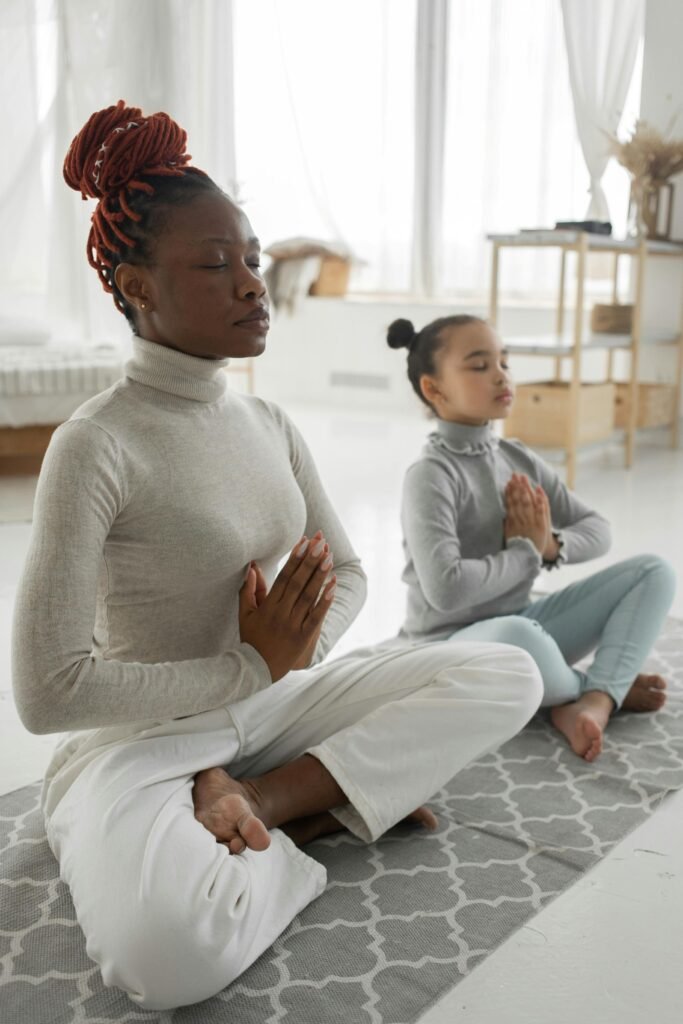
Spirituality is the part of life that helps you connect to meaning—who you are, what you value, and how you relate to something bigger than your daily to‑do list. For some people that “something bigger” is God, nature, the universe, love, or simply the quiet wisdom inside. Unlike religion, spirituality doesn’t have to follow a specific tradition (though it can). At its core, it’s about living with intention, awareness, and heart.
Spirituality vs. Religion (and Why They Can Work Together)
Religion is often a structured path: shared beliefs, community, rituals, and teachings. Spirituality is more personal: your direct experience of meaning, purpose, and inner growth. Many people are both religious and spiritual. Others are spiritual without religion. The healthiest approach is the one that helps you become more compassionate, steady, and honest—without fear or pressure.
Signs You’re Being Called Toward Spirituality
You might feel drawn to spirituality when:
- You’re asking deeper questions like “What matters most to me?”
- You want peace, not just productivity
- You’re craving connection, not just entertainment
- You’re healing from burnout, grief, anxiety, or a life change
- You sense there’s more to you than your thoughts and roles
None of this means something is “wrong” with you. It usually means you’re waking up to your inner life.
Common Spiritual Practices (Simple and Realistic)
Spirituality doesn’t have to be complicated. Here are practices that work because they’re sustainable:
1) Stillness (Meditation or Quiet Time)
Start with 3–5 minutes. Sit, breathe, and notice what’s happening inside you without fixing it. Stillness is where clarity grows.
2) Prayer or Intention
If prayer is part of your beliefs, use it as connection—not performance. If not, set a daily intention like: “Today I choose peace over rushing.”
3) Gratitude
Write down 3 things you’re grateful for. Keep it honest and small: warm tea, a supportive friend, a moment of calm. Gratitude trains your mind to see what’s already good.
4) Nature as a Teacher
A short walk outside can be a spiritual practice. Notice the sky, trees, wind, birds, sunlight. Nature restores perspective.
5) Journaling for Inner Truth
Try prompts like:
- What am I avoiding feeling?
- What do I need more of right now?
- What would love do in this situation?
What Spiritual Growth Actually Looks Like
Spiritual growth isn’t being “positive” all the time. It looks like:
- responding instead of reacting
- choosing honesty over people‑pleasing
- forgiving without forgetting boundaries
- holding joy and pain at the same time
- letting your values guide your decisions
It’s not about becoming perfect—it’s about becoming present.
Pitfalls to Avoid (So It Stays Healthy)
Spirituality should support your life, not replace it. Watch out for:
- Spiritual bypassing: using “good vibes only” to avoid real emotions
- Pressure to be enlightened: comparing your journey to others
- Escaping reality: practices that make you disconnected from responsibilities
- Fear-based teaching: anything that controls you through guilt or shame
A good spiritual path makes you kinder, clearer, and more grounded.
A Gentle 7‑Day Spirituality Starter Plan
If you want a simple beginning, try this:
- Day 1: 5 minutes of quiet breathing
- Day 2: Write one page: “What do I want my life to feel like?”
- Day 3: Take a mindful walk (no phone for 10 minutes)
- Day 4: Gratitude list + one act of kindness
- Day 5: Read one inspiring passage (book, poem, scripture)
- Day 6: Declutter one small space as a symbolic reset
- Day 7: Reflect: “What helped me feel most peaceful this week?”
Closing Thoughts
Spirituality is less about adopting a label and more about building a relationship with your inner life. It’s the practice of returning to what’s true, what’s loving, and what matters—again and again. Start small, stay consistent, and let your path unfold naturally.