Understanding the Concept of Death
Death is a universal experience that every human being must eventually face. It raises profound questions about existence and the nature of our consciousness. Many cultures and religions have proposed beliefs addressing what happens after death, often offering comfort and insight into this inevitable transition.
Cultural Perspectives on the Afterlife
Various cultures throughout history have developed intricate views on the afterlife. For instance, in ancient Egyptian belief, the soul undergoes judgment before entering the afterlife, where it is either rewarded or punished based on earthly deeds. In contrast, many Eastern philosophies, such as Buddhism and Hinduism, embrace the concept of reincarnation, where the soul experiences rebirth in a new existence. These beliefs reflect the diversity of human thought on what transpires following death, each providing a unique perspective on mortality and the potential continuity of consciousness.
Spiritual Perspectives on the Afterlife
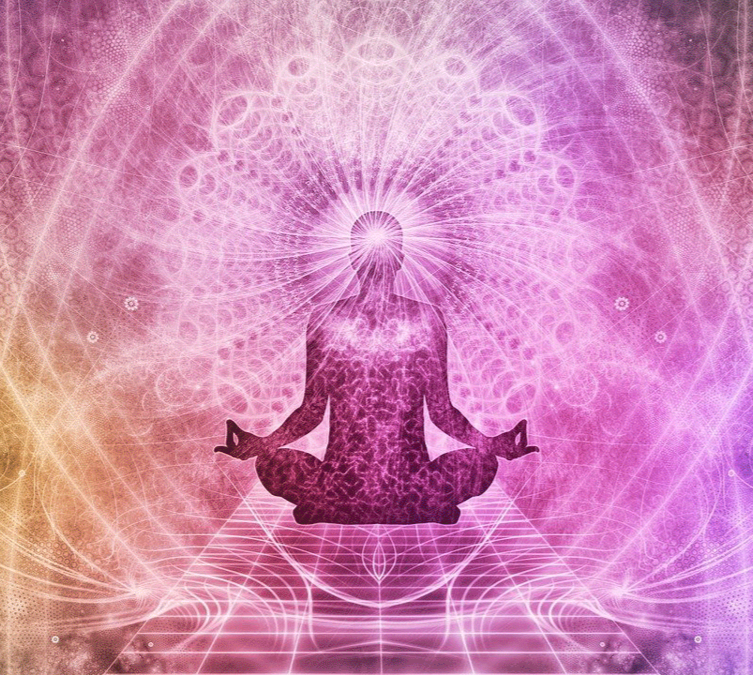
From a spiritual perspective, the afterlife continues for eternity. Let me explain. According to many spiritual beliefs, you are an eternal being living inside an external temporary body. When you die, you will experience an external death of the physical body and world. The physical world consist of matter, which is all that we see with our eyes. Everything that we can see is mortal and it will die. But your internal world is immortal. It consists of our spirit, thoughts and emotions which are unseen.
When you die, your external body will be stripped away, leaving only your internal body. Your internal body, your thoughts and emotions, will travel into different planes of existence which are based on how you have lived your physical life on Earth. Each plane is a vibrational state. The lower planes are heavy and dense while the higher planes are very light. The internal body will travel from the physical plane, to the etheric plane, to astral plane, to mental plane, and finally to the buddhic plane, according to the Book of Wisdom University.
For example, if you were addicted to lustful things while in your physical body such as greed, money, sex, power, ect. then when your inner (spirit) body leaves and enters into the astral plane, it might experience spirits from low vibrational entities. (Some might call this hell). However, if you have detached from worldly addictions, then you will arrive at a higher astral plane that might be filled with peace and love. Since the lower vibrational planes are very dense and heavy, the goal is to be as light as a feather in order to descend all the way to the buddhic plane of pure love and light. This was symbolically depicted by the ancient Egyptians with the weighing of the heart on a scale with the feather of Maat, (goddess of truth and justice).
Scientific Views and the Afterlife
From a scientific standpoint, death represents a cessation of biological functions that sustain life. However, the nature of consciousness remains one of the most debated topics in neuroscience and philosophy. Some scientists suggest that consciousness is a product of brain activity, ending when neurological functions cease. Yet, numerous anecdotal accounts of near-death experiences have proposed a different perspective, describing encounters that suggest consciousness might exist beyond physical death. These experiences provide a fascinating area of inquiry, prompting questions about the essence of human experience and awareness.
As we contemplate the question of what happens after you die, it is important to acknowledge the intersection of cultural beliefs and scientific inquiry. Despite varying opinions, the exploration of life after death remains an essential part of the human experience. Ultimately, whether one leans towards spiritual beliefs or scientific reasoning, the mystery of death invites each of us to consider our existence and the legacy we leave behind.